The phone call that transforms your week never gets to a convenient time. It comes when your schedule is full, your phone is buzzing, and someone close by all of a sudden falls down, chokes at a customer lunch, or cuts themselves terribly on website. In those initial minutes, no one cares what your job title is. They care whether you can act.
That is where concentrated first aid and CPR training pays off, specifically when it appreciates just how little spare time you have.
I have spent years educating first aid and CPR courses to specialists that appear in suits, scrubs, uniforms, or hi‑vis vests. A lot of them show up stressed about the moment commitment. A lot of them leave stating the same point: "I desire I had done this earlier."
This post pulls together what actually matters for a busy professional selecting a first aid and CPR course, how fast or express formats operate in method, and what you need to demand from any type of first aid training provider.
Why first aid abilities matter greater than your schedule
In an emergency, minutes matter greater than degrees, seniority, or salary.
Cardiac apprehension supplies the clearest example. Without CPR, survival visit an estimated 7 to 10 percent for every min that passes without efficient breast compressions and defibrillation. By the time emergency services hammer out website traffic and building safety and security, those minutes are gone.
When I instruct fast CPR courses in city workplaces, I frequently ask that has actually seen a real emergency situation. Hands rise: a coworker who fainted in a meeting, a moms and dad that choked at a dining establishment, a building worker that dropped from a ladder. A lot of those situations unravelled far from a healthcare facility yet really near someone that can have helped, if they had been trained.
For busy specialists, the obstacle is hardly ever motivation. It is time. That is why fast first aid training, express CPR courses, and mixed options issue. The goal is not to transform you right into a paramedic. The goal is to give you a sharp, trusted skill set you can make use of in between the incident and the arrival of medical help.
What busy specialists in fact require from a course
If you work long hours, traveling frequently, or juggle meetings, you do not require an expansive, academic program. You require a fast first aid course that is:
Focused on the emergencies you are likely to see. A lawyer in a city workplace, a childcare employee, and a stockroom manager deal with various risks. Express child care first aid courses, as an example, stress choking, high temperature, allergic reactions, falls, and play‑related injuries. A construction‑focused first aid course may lean harder on blood loss, cracks, crush injuries, and electric shocks.
Built around technique, not talks. Adults discover physical skills with doing, not listening. Efficient first aid and CPR training classes keep concept short and utilize a lot of the time for hands‑on job: compressions on CPR manikins, exercise with training AEDs, practicing how to roll somebody into the recuperation position, using injury dressings and slings.
Designed to fit limited schedules. Fast first aid courses, express first aid classes, and mixed formats (online plus brief in‑person sessions) recognise that you can not vanish from the workplace for numerous days. I have actually shown really efficient programs in 3 to 5 hours, offered pre‑course online components cover the basics.

Clear regarding certification. Many experts need a first aid certificate to meet workplace, market, or governing criteria. A fast certification is fine, as long as it is recognised and certified. That may be a conventional job-related first aid and CPR course, a FAP first aid kind program in some regions, or a childcare‑specific credential.
For senior team, there is a 5th requirement: reliability. If you handle people, lead groups, or host customers, having the ability to organize an emergency situation without panic brings weight. Individuals remember who moved on to help.
Core abilities you need to walk away with
Different carriers brand name their courses classes for first aid and cpr in various ways: first aid and CPR course, basic life support, express first aid and CPR, fast CPR refresher course, and so forth. Names differ, yet the important skill set ought to be remarkably consistent.
Recognising a medical emergency
Good first aid starts prior to you touch the casualty. You need to learn to check promptly and choose whether you are handling a minor injury, a time‑critical emergency situation, or a scenario where your own express childcare first aid Salisbury security goes to risk.
This consists of spotting heart attack indication, possible stroke, serious problem breathing, signs of shock, and when bleeding or burns are serious enough to be life‑threatening.
CPR and AED use
Every professional first aid and CPR training program ought to give you positive, repeatable CPR skills:
You discover how to examine responsiveness, open the respiratory tract, examine breathing, and start chest compressions that are deep and fast adequate to matter. You practice cycles of compressions and breaths, and you will certainly almost certainly be surprised by exactly how literally requiring proper CPR is.
You also experiment a computerized exterior defibrillator, or AED. Modern AEDs are deliberately easy. Throughout cpr training, you will certainly see exactly how to affix pads, adhere to the prompts, clear others away during a shock, and return to compressions immediately. In numerous workplaces, shopping centers, health clubs, and airports, an AED is closer than people understand. Your task is to understand exactly how to utilize it.
Managing choking
Choking happens in conference rooms, staff cooking areas, and childcare centres more frequently than people admit. On a fast first aid course, you must find out sensible techniques for:
- Helping a receptive adult or child who is choking, including back blows and abdominal thrusts Modifying techniques for babies, particularly in an express child care first aid course Recognising when somebody is coughing efficiently and when they are in real danger
This is one of the situations where also a short, express first aid course can absolutely alter an outcome. The strategies are simple, yet they should be practiced, not simply described.
Bleeding, injuries, and shock
Modern first aid courses placed restored emphasis on severe blood loss. You must discover exactly how to apply direct stress, use dressings and plasters, improvisate when products are restricted, and identify inner bleeding and shock.
For hectic professionals in environments with tools, cars, or storage facility procedures, this part of first aid training is not optional. An express first aid training company ought to still designate enough time for hands‑on bandaging and reasonable scenarios.
Unresponsive yet breathing: recovery setting and monitoring
Not every collapse requires CPR. If somebody is unresponsive yet still breathing, protecting their air passage ends up being the top priority. An experienced first aid and CPR course reveals you how to roll a person right into a stable side placement and just how to keep track of breathing until aid arrives.
This is where lots of fast first aid courses reduced corners, and it shows in the field. Rolling a person securely, particularly a larger adult, is a practical ability. It requires a bit of method and method, not merely viewing a video.
Are fast and express courses "sufficient"?
Many professionals approach a fast first aid course near me with uncertainty. "If it is that brief, is it watered down?" The honest response is: it depends who is running it, and just how they structure it.
Short courses can be exceptional when:
They use pre‑course online discovering to cover theory. Individuals full first aid fundamentals, CPR principles, and lawful factors to consider at their own rate. The in‑person session after that focuses on application and practice.
Group sizes are managed. You can not practice CPR properly in a team of 30 people with two manikins, no matter how experienced the teacher is. Great express cpr training limitations numbers or supplies adequate equipment.
Scenarios are reasonable and compressed. As opposed to long talks concerning every condition imaginable, a fast first aid course drops you right into real‑world circumstances: a co‑worker with chest pain in a conference room, a youngster with an allergy on a playground, an employee who slides, strikes their head, and becomes confused.
Where fast CPR courses or express first aid courses fail is when they sacrifice technique for speed or marketing. If individuals leave without aching arms from compressions, without ever making use of a training AED, or without managing a plaster, the course was as well fast.
When you assess fast first aid training or express cpr courses, look less at the promoted duration and more at the balance of hands‑on technique to theory, and the proficiency of the trainer.
How to pick the right first aid and CPR training provider
Picking a company often seems like comparing comparable sales brochures with various logos. It pays to look past the branding and ask concrete concerns. The list below reflects what I suggest company clients that want efficient first aid and CPR courses for their staff.
Accreditation and recognition
Check that the first aid courses bring about a first aid certificate identified by your neighborhood regulator, market body, or insurance firm. Sector‑specific options, such as express childcare first aid courses, need to fulfill childcare guidelines, not simply common standards.
Content fit for your risks
An office‑based group might not require extended components on outside survival, however they do require solid CPR training, AED practice, choking management, and action to cardiac arrest and strokes. Child care experts need express childcare first aid training that emphasises paediatric CPR, choking in infants, high temperature, seizures, and sensitive reactions.Format and timing
If your team is scattered throughout places or functions changes, combined understanding or numerous brief express first aid sessions might be extra practical than a single lengthy day. Ask specifically whether they supply express first aid course or express cpr course alternatives that can run early, late, or throughout lunch windows.Instructor experience
There is a distinction between someone that can state the guidebook and someone that has actually functioned genuine emergencies. Ask who will in fact instruct your fast first aid course. Much of the very best trainers have histories in paramedicine, nursing, firefighting, or security administration, integrated with solid mentor skills.Practice ratio
Try to find carriers who commit to meaningful method time. For an incorporated first aid and cpr course, you need to expect substantial hands‑on work, not simply demos. If you hear that the majority of the moment is spent on slides, keep looking.If a company bristles when you ask comprehensive concerns, that itself is an answer.
What a focused session really feels like
People often ask what a half‑day fast first aid course with CPR training appears like in reality. A regular layout I educate for office‑based experts runs for regarding 4 hours of get in touch with time, plus pre‑course online modules.
Before arrival, participants complete a brief online structure covering basic first aid principles, lawful and workplace duties, infection control, and a review of CPR and AED use. It usually takes under an hour.
The in‑person session starts with a fast testimonial of that on the internet web content, then jumps directly right into practical evaluation of a less competent casualty, respiratory tract administration, and acknowledgment of heart attack. I place manikins on the floor early. Participants practice compressions, rescue breaths if required by the educational program, and work in sets to make use of a training AED.
After a time-out, we relocate into choking, severe bleeding, and clinical emergency situations like heart attack and stroke. Rather than long lectures, I run brief situations: "You remain in a meeting, and your customer clutches their chest and looks pale. Talk me through what you see, believe, and do." Every situation ends with a debrief tying the experience back to clear, memorable steps.
By the end, individuals have performed lots of sets of compressions, made use of AEDs numerous times, rolled each other right into the recovery placement, and dealt with bandages and slings. They entrust to a first aid certificate, yet extra notably, with the muscle memory and decision‑making confidence they did not contend 9am.
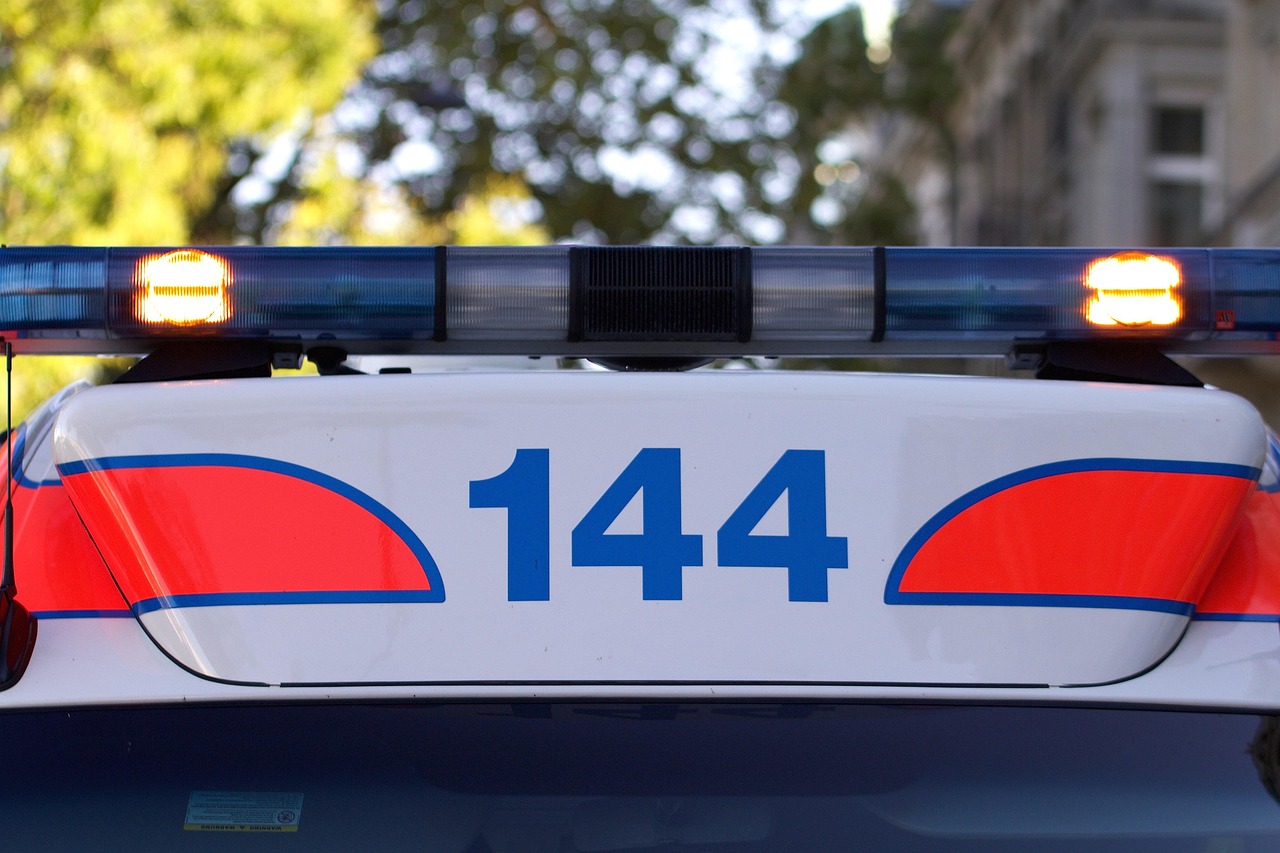
That is the conventional you must expect, also from fast first aid courses or express cpr courses.
Online, blended, or classroom: which format works best?
Technology has changed exactly how first aid and CPR courses are supplied. For busy professionals, this can be a blessing if used wisely.
Purely online first aid courses work for recognition training yet have clear limits. You can not find out the feel of upper body compressions, the pressure needed to clear an airway, or the ability of rolling somebody safely by viewing a display. For any type of course that guarantees a thorough first aid and CPR certificate, there need to be a hands‑on component.
Blended understanding incorporates online modules with much shorter in‑person practice. This is where fast first aid training beams. You deal with understanding and concept at your very own speed, then use priceless face‑to‑face time for useful job, inquiries, and scenarios. Numerous fast cpr refresher course programs now follow this model, which is optimal for recertification when your basics are currently strong.
Traditional class courses still have a place, particularly for high‑risk industries or sophisticated levels like job-related or office first aid where expanded circumstances and even more facility skills are required. For tiny groups or tight routines, though, a half‑day express first aid training block plus a night of on-line components is often simpler to arrange than a complete day of rest the floor.
One practical pointer: whatever layout you select, secure the moment. If your phone is on the table and your inbox is open, your mind will not encode the abilities too. Genuine emergency situations demand your full focus. Training should too.
An easy mental checklist genuine emergencies
In class, individuals fret about keeping in mind lengthy methods. Actually, what you require is an easy, trusted psychological checklist that you can remember under stress. Various organisations utilize different phrases, however the spirit is similar. Here is a simple version I teach that fits well with fast first aid and cpr training classes:
Safety
Inspect your very own security initially. Search for web traffic, electrical energy, sharp objects, fire, or hostility. Do not come to be a second casualty.Response
Talk to the individual, tap their shoulder, and see if they respond. If there is no action, ask for help.Airway and breathing
Gently open the airway, appearance and pay attention for normal breathing, and see the breast. Decide: breathing typically, or not?Call and send
If breathing is not regular, call emergency services or direct a person by name to do it, and send out a person for an AED if available.Act
Begin CPR if suggested, deal with life‑threatening blood loss, or put the individual in the recuperation position if they are breathing yet less competent. Proceed up until aid shows up or the person recovers.Practicing this series throughout express cpr courses or a complete first aid and CPR course makes it acquired behavior. When thirty individuals are screaming, alarm systems are seeming, and your heart rate climbs, you fall back on what you have actually rehearsed.
Keeping abilities sharp when you are busy
Skills fade. That is not an objection, it is simple neuroscience. If you participate in a fast first aid course today and never think about CPR once again, you will really feel rustic in a year.
Most first aid certificates remain legitimate for 2 to 3 years, yet lots of organisations strongly suggest even more constant CPR refresher courses. That is where fast cpr and express cpr first aid workshops near me training options issue. A concentrated, 1 to 2 hour fast cpr refresher course every year can maintain your skills high without damaging your schedule.
Between official first aid and cpr courses, you can maintain abilities to life with brief, low‑effort habits:
Visualise. From time to time, when you pass the workplace kitchen, ask on your own quietly, "If someone choked below, what would certainly I do first?" That psychological rehearsal reinforces recall.
Check AED areas. Throughout a fire drill, personnel rundown, and even a quiet minute, make note of where the closest AED is, exactly how to access it, and whether it shows up preserved. If you can not find one, raise the issue.
Review a quick card. Some offices issue pocket cards or lanyard guides summarising CPR steps and emergency situation numbers. Maintain one on your ID badge and scan it occasionally.
Volunteer as a marked very first aider. Numerous organisations formally appoint initial aiders to floorings or teams. It generally comes with targeted first aid training and guarantees someone in each area takes possession of readiness.
These tiny actions set you back mins each month however mean that when your following express first aid course or fast cpr refresher rolls around, you are including layers of self-confidence instead of starting from zero.
Tailoring courses to particular roles
Not every hectic professional needs the exact same first aid device kit. Selecting the right first aid training implies looking truthfully at your environment.
Childcare specialists and instructors benefit from express childcare first aid courses that stress paediatric problems. They should practice infant CPR, administration of febrile seizures, play area injuries, and acknowledgment of serious childhood years diseases. Express child care first aid training can often be structured around centre hours, with evening or weekend options.
Managers, human resources specialists, and group leaders are usually the ones people look to when something fails. For them, a strong first aid and CPR course matters, yet so does training on coordination: handing over tasks, handling crowds, liaising with emergency situation services, and sustaining colleagues after a distressing incident.
Remote employees and regular tourists have unique demands as well. A salesman when traveling might require a portable first aid set in their vehicle and a strong grounding in what to do when specialist help is more than a couple of minutes away. Some suppliers offer express first aid courses customized to take a trip dangers, including what details to give emergency situation responders when you are alone.

For high‑risk sectors such as manufacturing, logistics, or field service, basic fast first aid courses may not be enough. Prolonged job-related first aid and cpr training classes that cover crush injuries, chemical exposure, constrained rooms, and multi‑casualty circumstances may deserve the larger time investment.
The point is not to chase every certification imaginable. It is to match the degree and focus of your first aid courses to the method you really live and work.
Taking the following action without overthinking it
Many experts delay first aid training due to the fact that they are waiting for a quieter week. Those weeks hardly ever get here. The reality is that a well‑run express first aid course or fast first aid course requires much less time than many people believe, especially with mixed styles and on‑site sessions.
When you look for a fast first aid course near me or contrast express cpr courses, use clear criteria: genuine certification, strong practical focus, trainers with field experience, and a layout that appreciates your time while still giving adequate method to construct muscular tissue memory.
The benefit is not just a first aid certificate holding on a wall. It is the ability to stay tranquil when something frightening happens before you, to take beneficial activity before experts arrive, and to recognize that when a person needed assistance, you did not stand on the sidelines.
Busy routines are real. So are emergencies. A thoroughly chosen first aid and CPR course is exactly how you link the space in between them.